Use Cases
Turn Meeting Audio Into Notes
Use short meeting recordings responsibly to create searchable notes and follow-up items.
Audio to Text Converter →Last updated: 2026-06-29 · 8 min read
Record with consent and context
Before recording a meeting, make sure participants know and agree where required. A transcript can contain sensitive business information, so privacy and permission matter.
Start the recording by stating the meeting topic and speaker context. This makes the transcript easier to understand later.
Convert transcript into notes
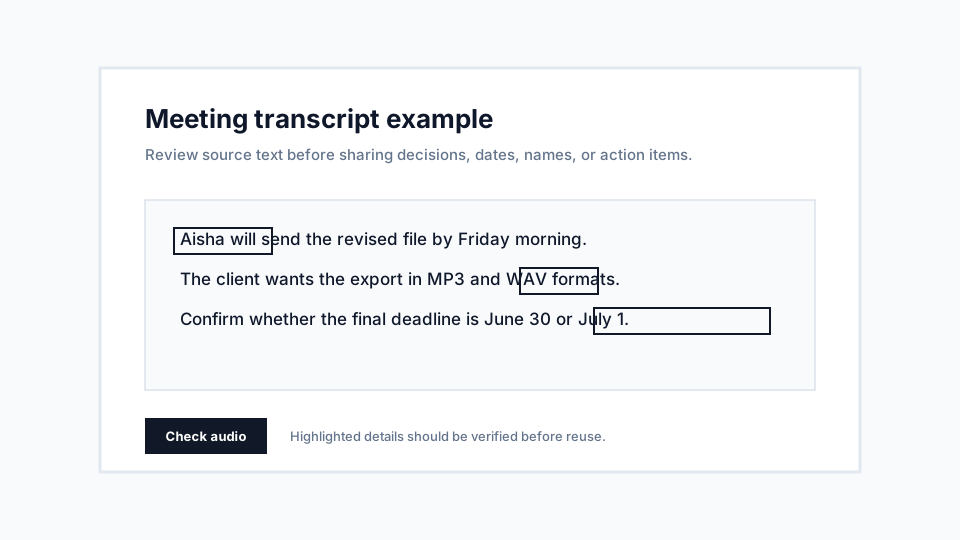
Do not treat raw transcript text as final meeting minutes. Use it as source material. Pull out decisions, open questions, owners, dates, and follow-up tasks.
For long meetings, transcribe shorter clips around important segments instead of uploading everything at once.
Recommendations
- Use a central microphone and reduce side conversations.
- Ask speakers to repeat important numbers or dates.
- Review the transcript before sharing it as an official note.
Limitations
- Speaker labels are not guaranteed.
- Overlapping discussion can reduce transcript usefulness.