File Formats
MP3 vs WAV for Transcription
Understand the practical trade-offs between compressed MP3 files and larger WAV recordings.
Audio to Text Converter →Last updated: 2026-06-29 · 9 min read
MP3 is practical for most speech
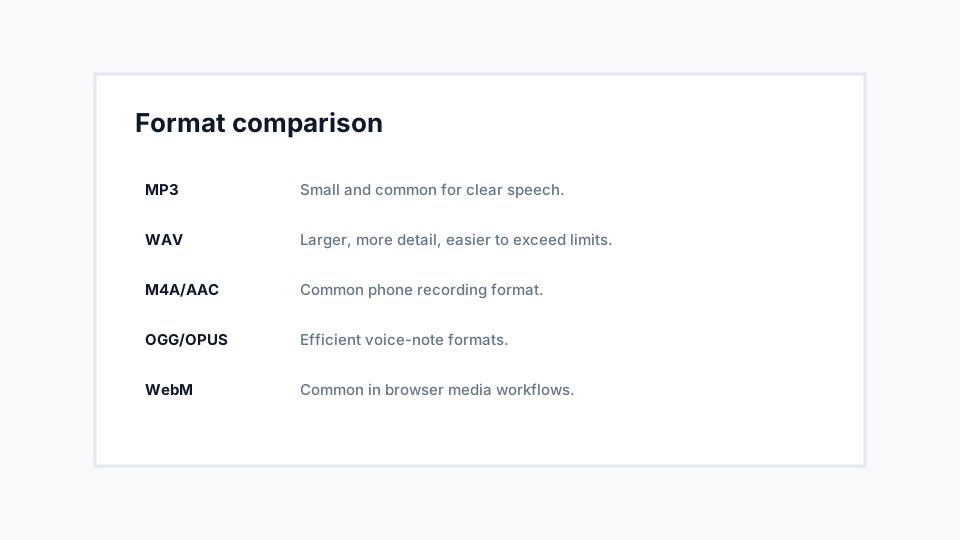
MP3 is compressed, widely supported, and usually good enough for spoken audio when the original recording is clear. Smaller files upload faster and are easier to store.
The main risk is aggressive compression. Very low-bitrate MP3 files can blur consonants and make speech less precise.
WAV preserves more audio detail
WAV files are often larger because they preserve more information. This can help when the source recording is clean and the file size remains within the upload limit.
A WAV file made from a poor recording will still be poor. Format cannot replace good microphone placement or a quiet room.
Recommendations
- Use MP3 or M4A for everyday voice notes.
- Use WAV when you control the recording and need maximum review quality.
- Avoid repeatedly converting the same file between formats.
Limitations
- Large WAV files can exceed free-tier limits quickly.
- Compression damage cannot always be reversed.